
The Foundations of Traditional Architecture in Mexico
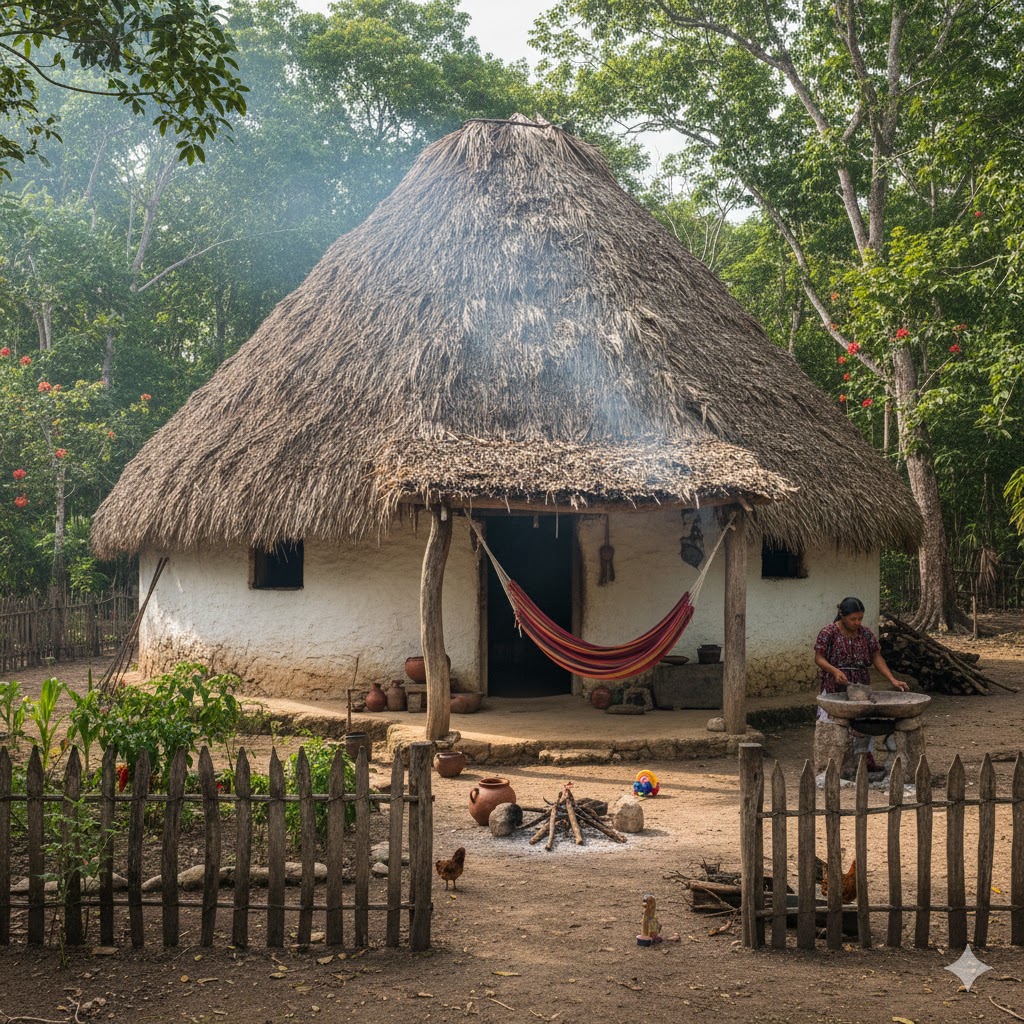
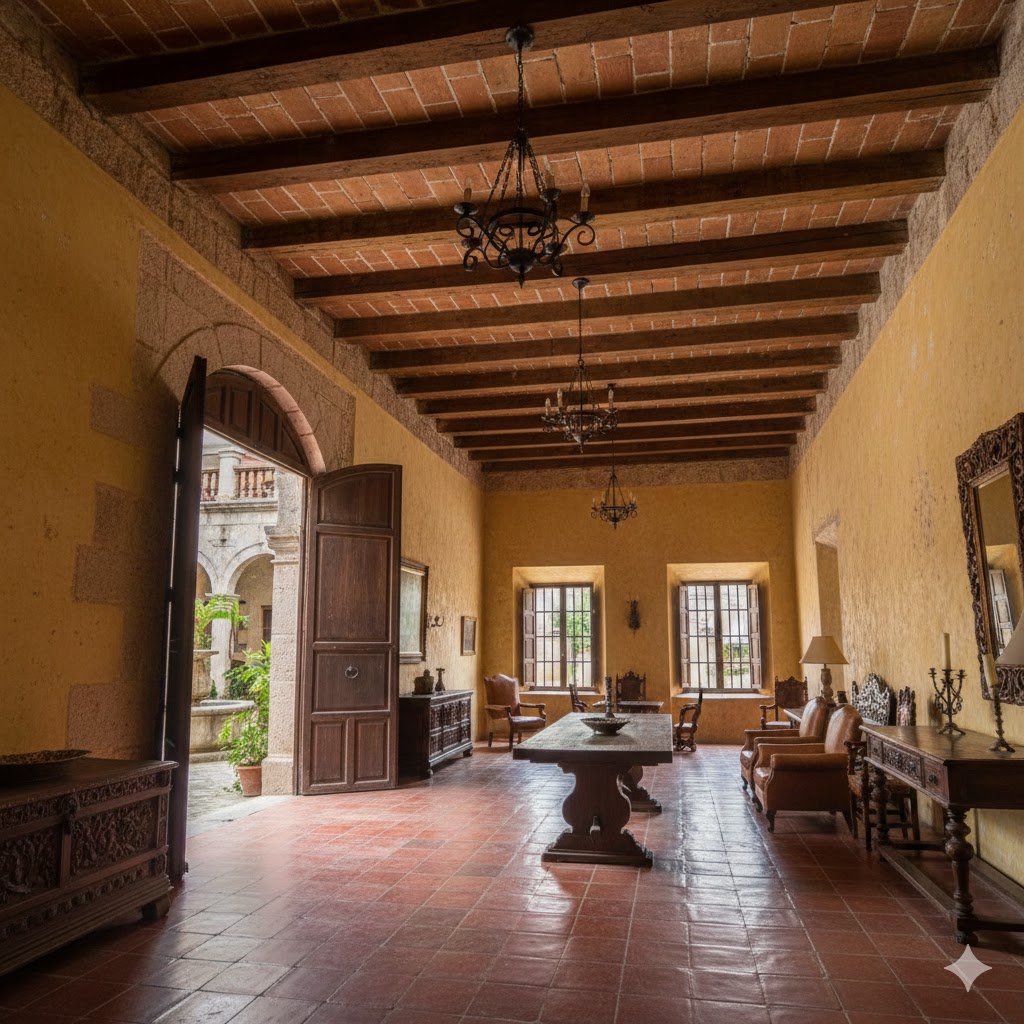
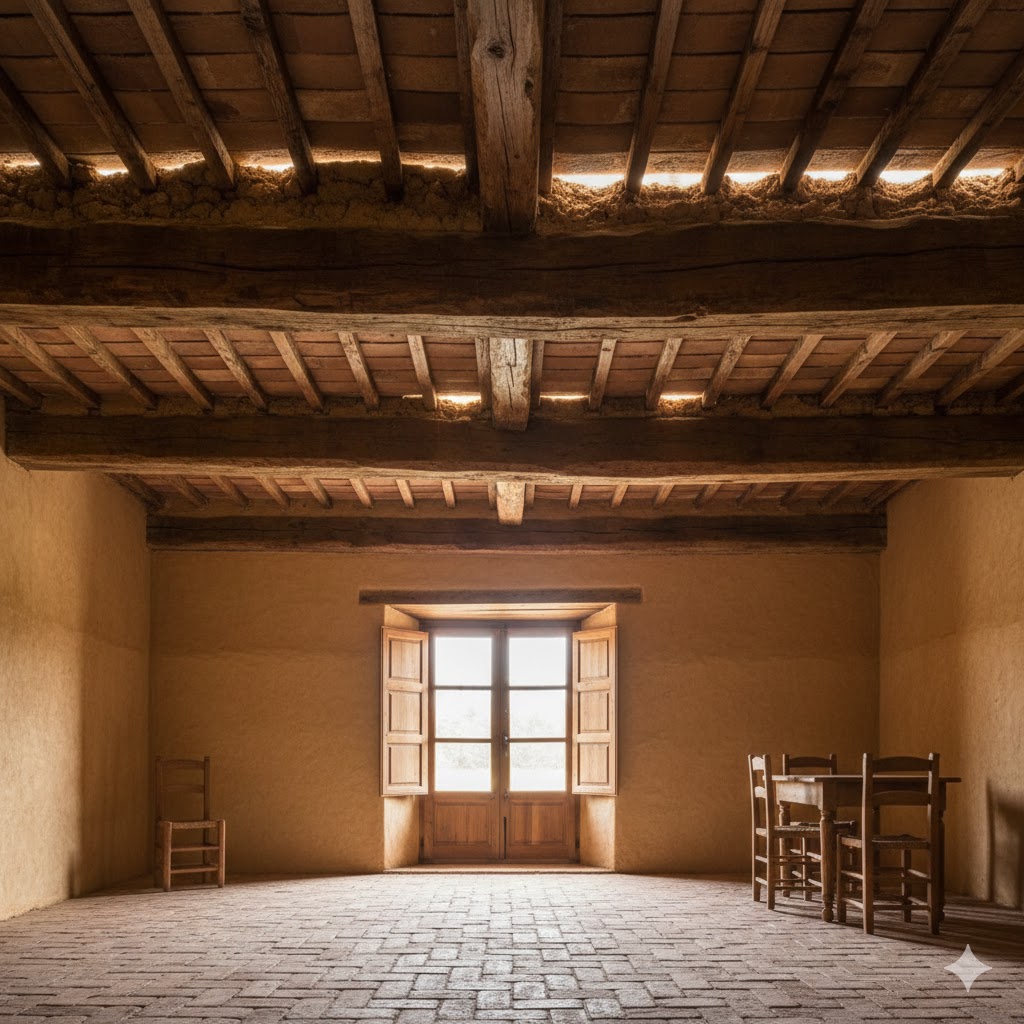
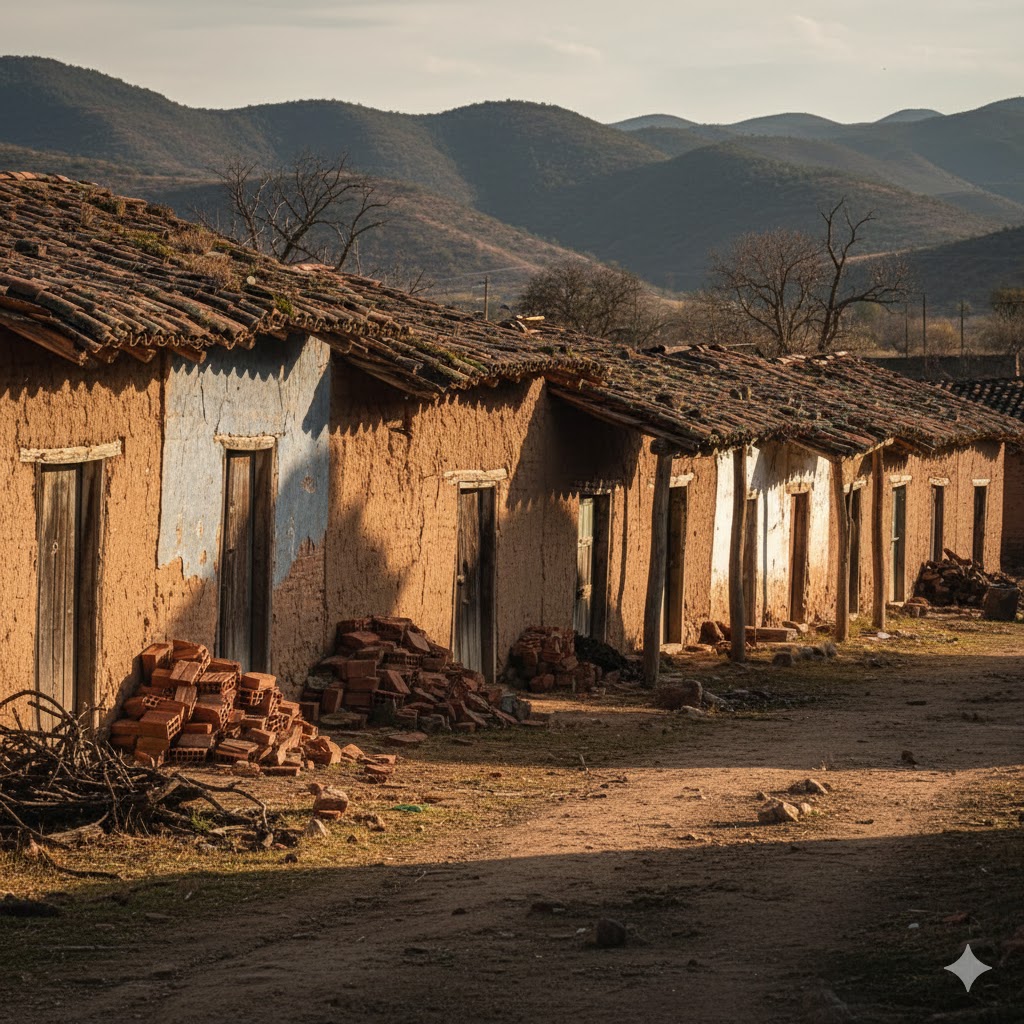
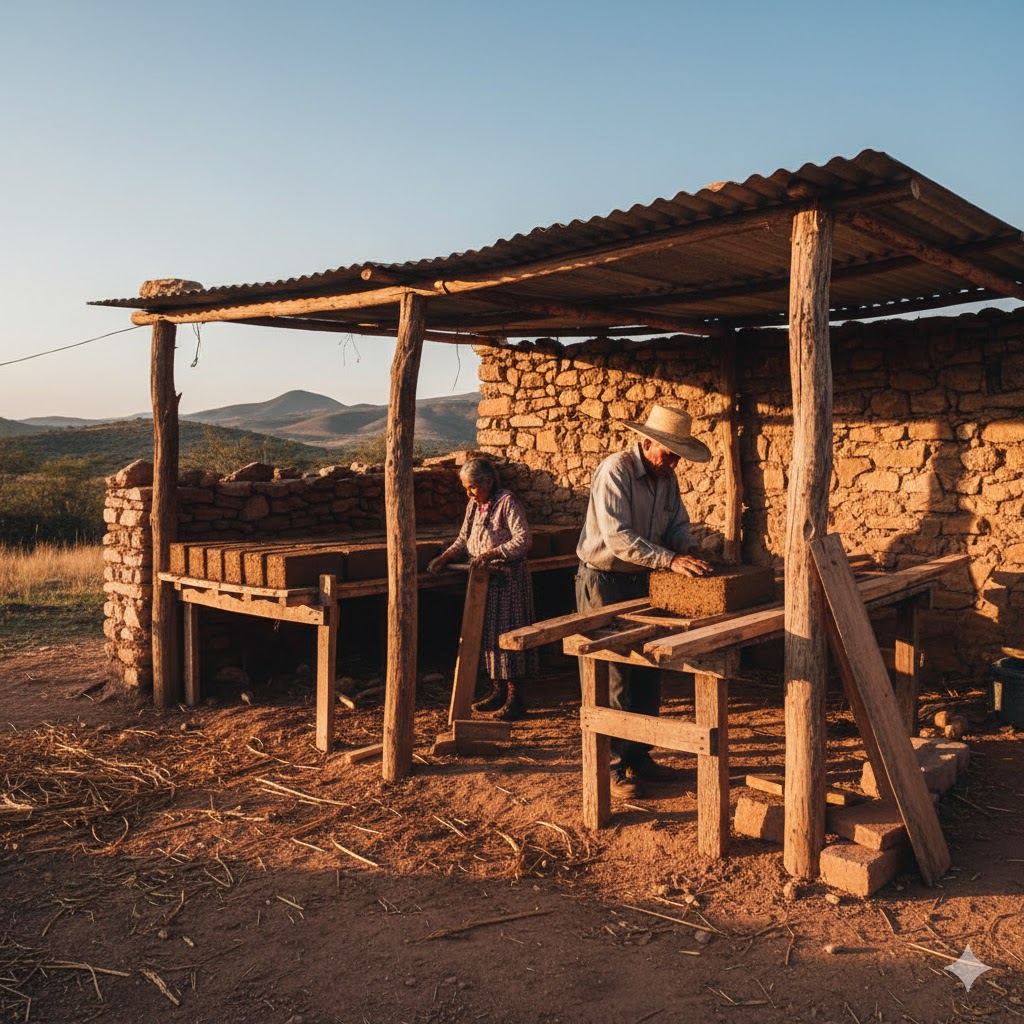
Until the 20th century, much of construction in Mexico was resolved through systems that we now group under the term traditional architecture. A common example consisted of thick adobe or masonry walls such as stone blocks or brick bonded with mortar — designed primarily to resist weight and compression. Wooden beams rested on these walls, supporting planks or brick infill, topped with layers of compacted earth — soil, lime, and sand — to complete the system. These were massive, low-rise systems, with construction logic transmitted through craft and adapted to local climates and materials.

Concrete as a Nation-Building Project
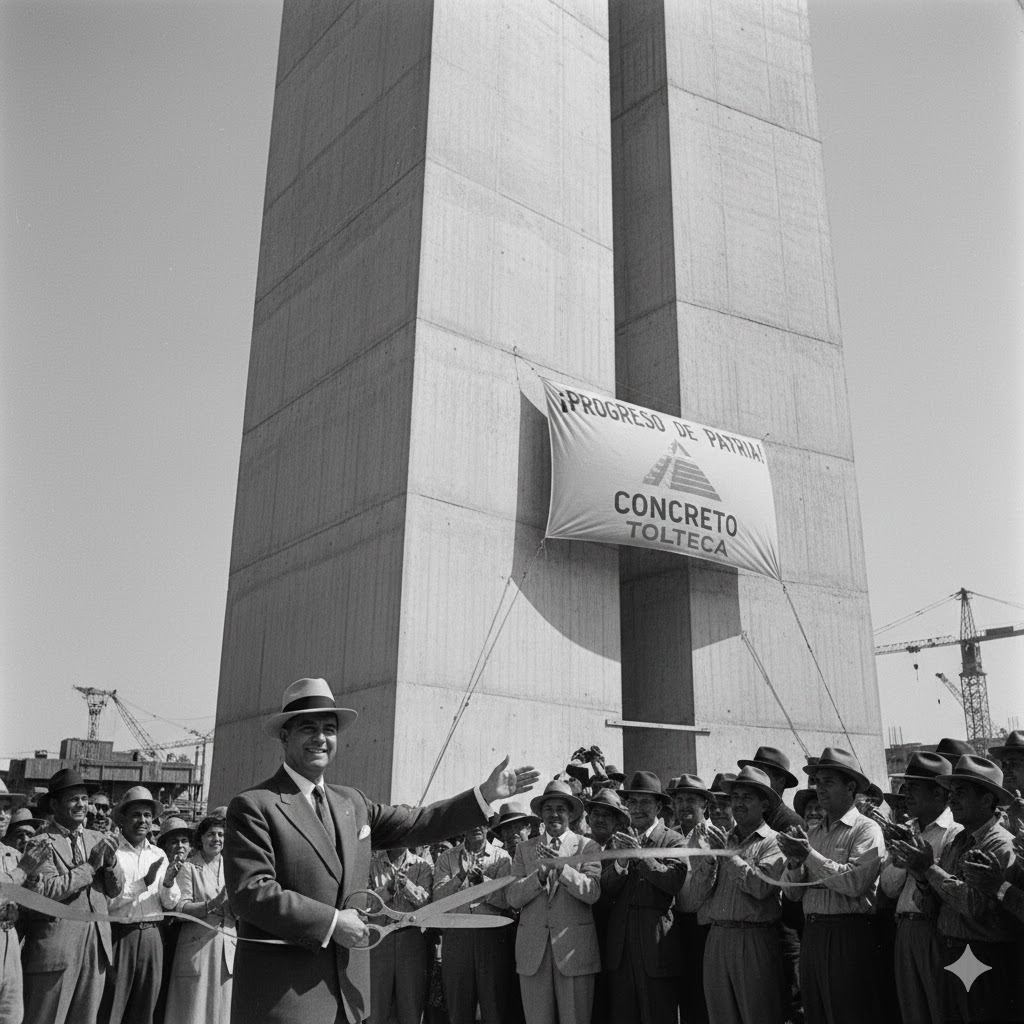
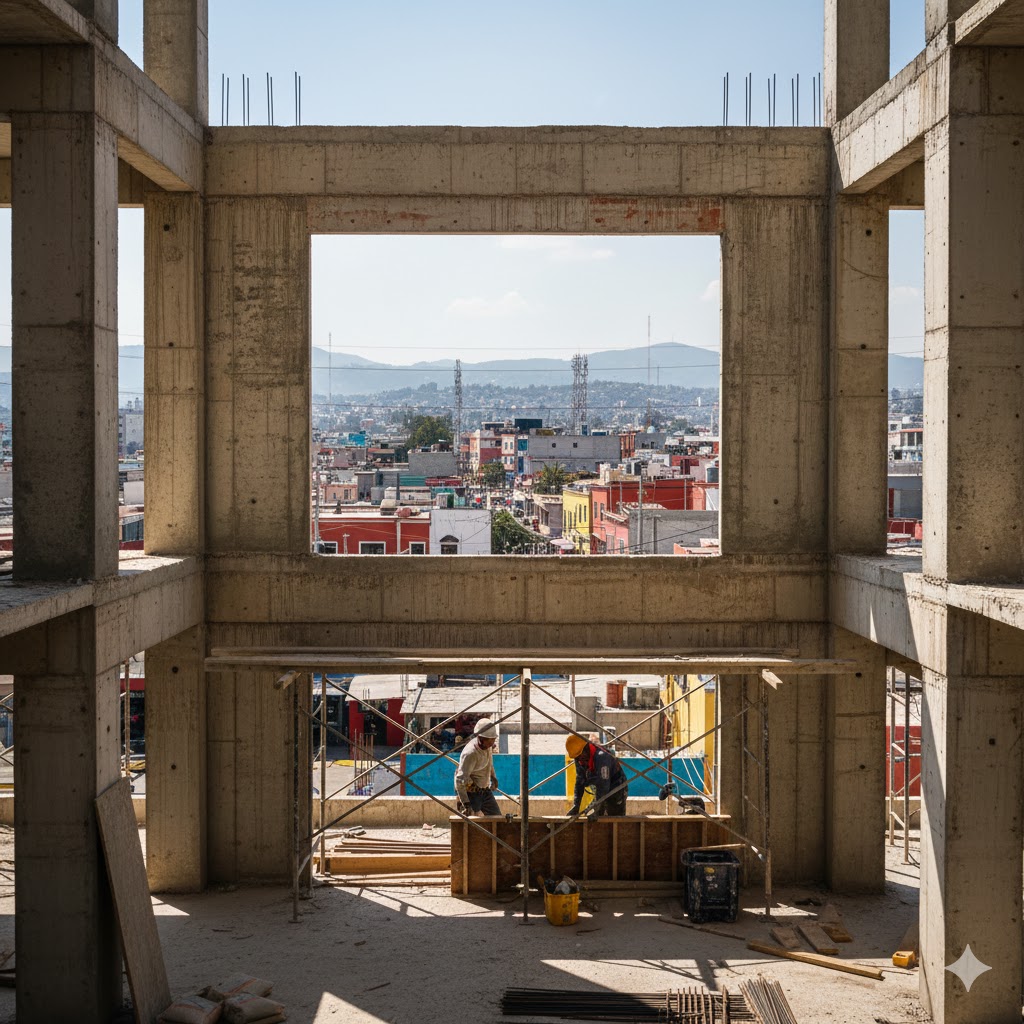
However, the balance of these massive systems was disrupted with the arrival of modernity. The 20th century brought not only new materials, but a new narrative. Industrialization, standardization, and mass production became synonymous with progress.In post-revolutionary Mexico, a new construction paradigm emerged. It was the result of public policy, accelerated urbanization, the cement industry, and the professionalization of structural engineering.
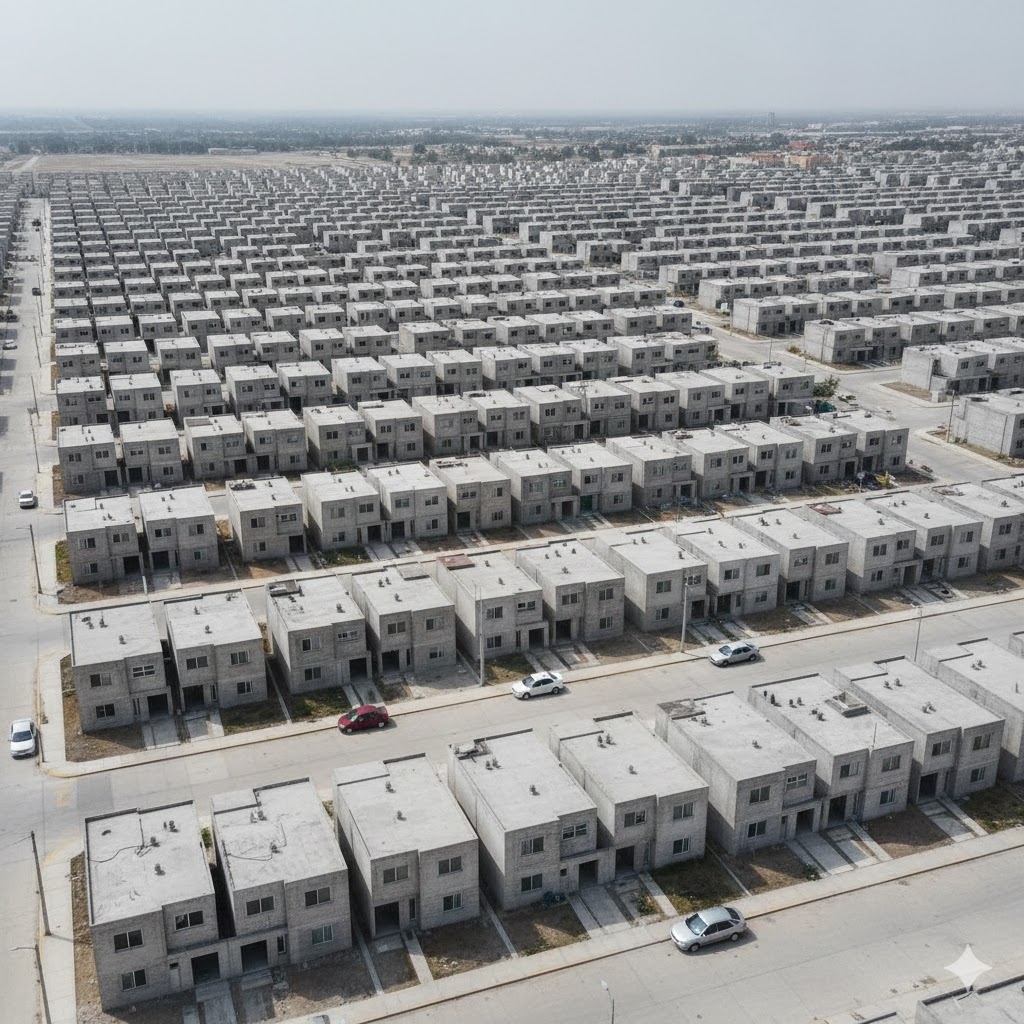
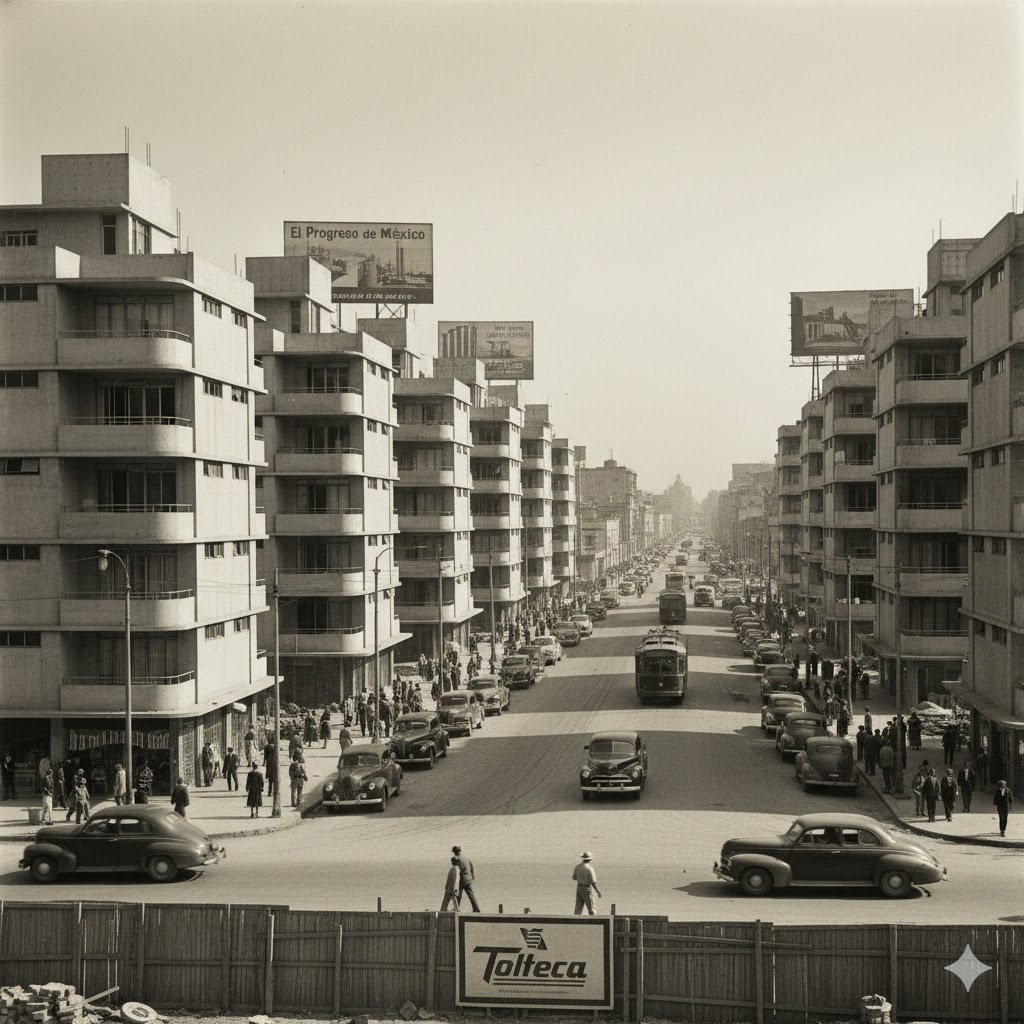
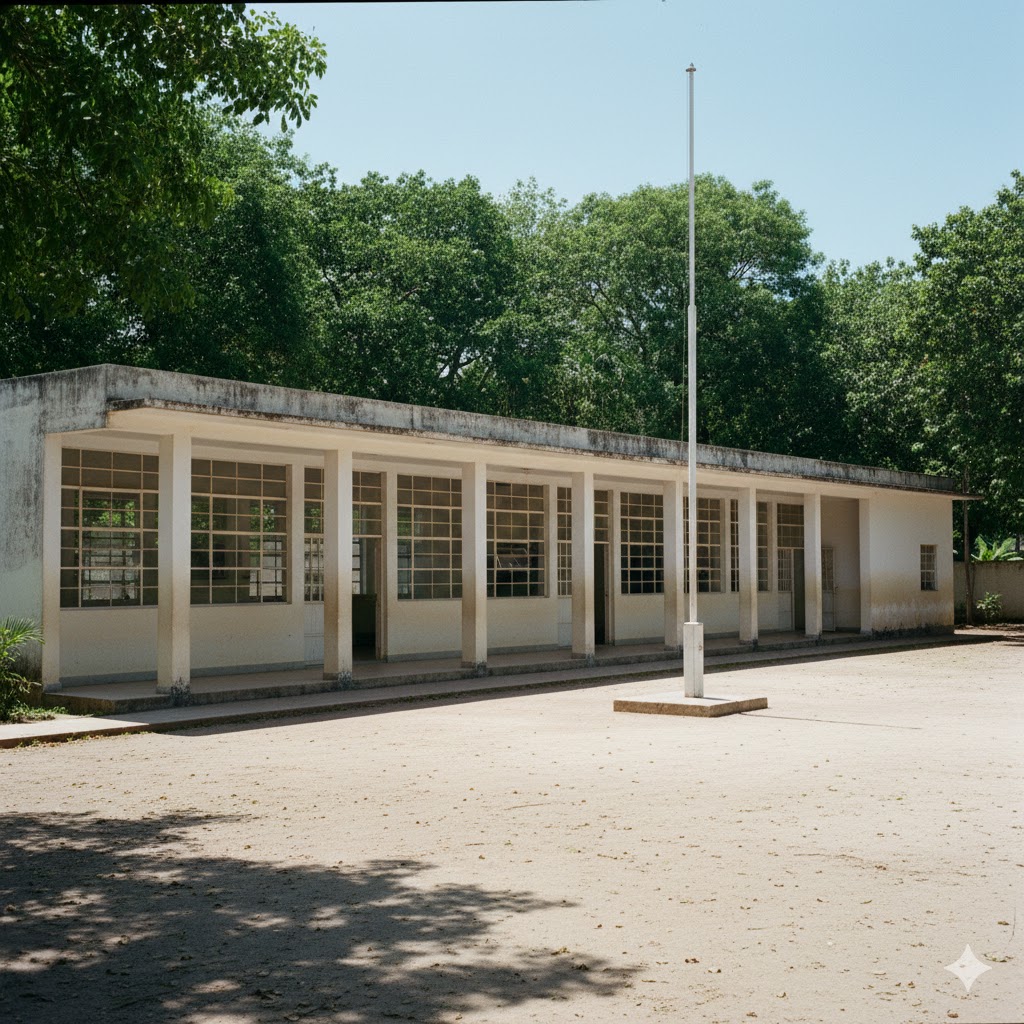
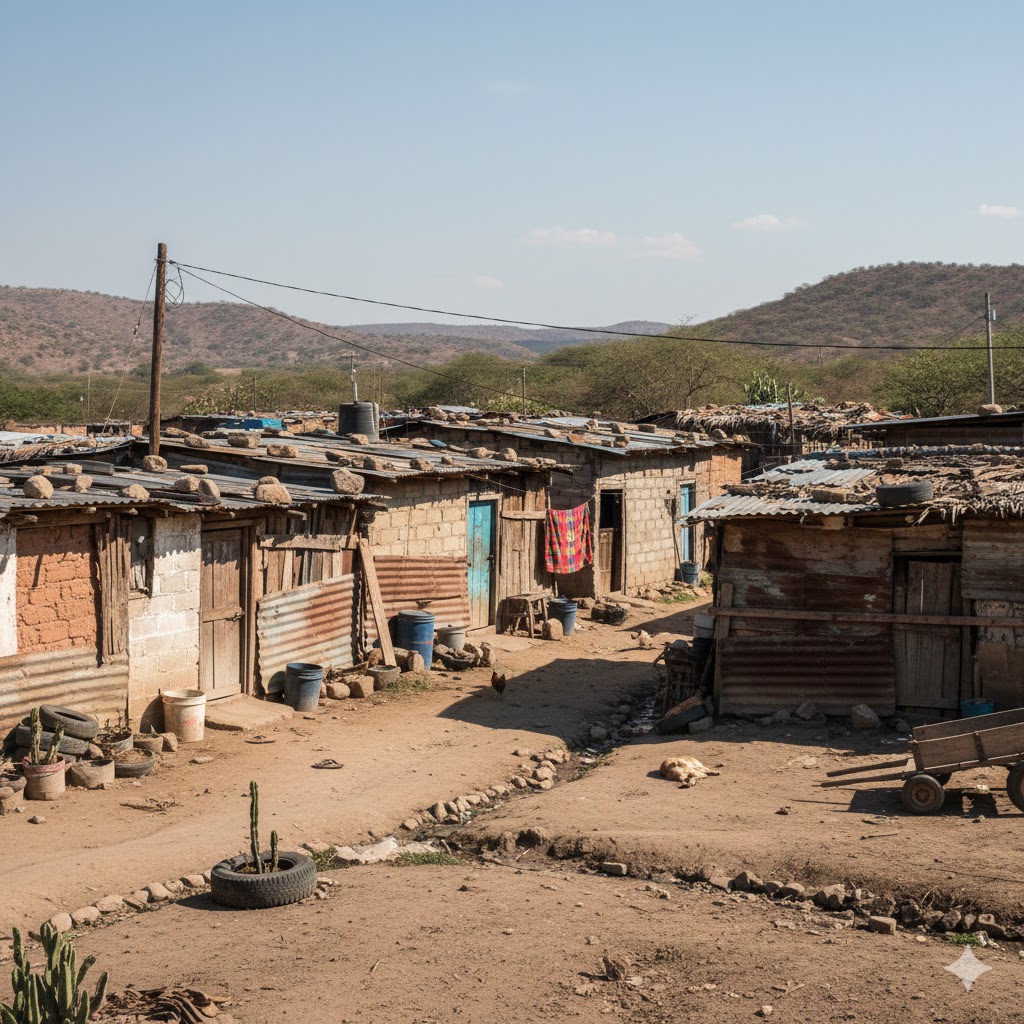
Reinforced concrete was not merely a material, but the physical expression of a nation-building project that equated industrialization with progress. This is visible in large-scale works such as the housing complex at Tlatelolco or mid-century university campuses. Within this context, an inverse cultural association also took hold: adobe and wood began to be linked to rurality, precariousness, or backwardness. Not necessarily because of their technical capacities, but because of the symbolic place they occupied within the narrative of modernization.
The Myth of Safety
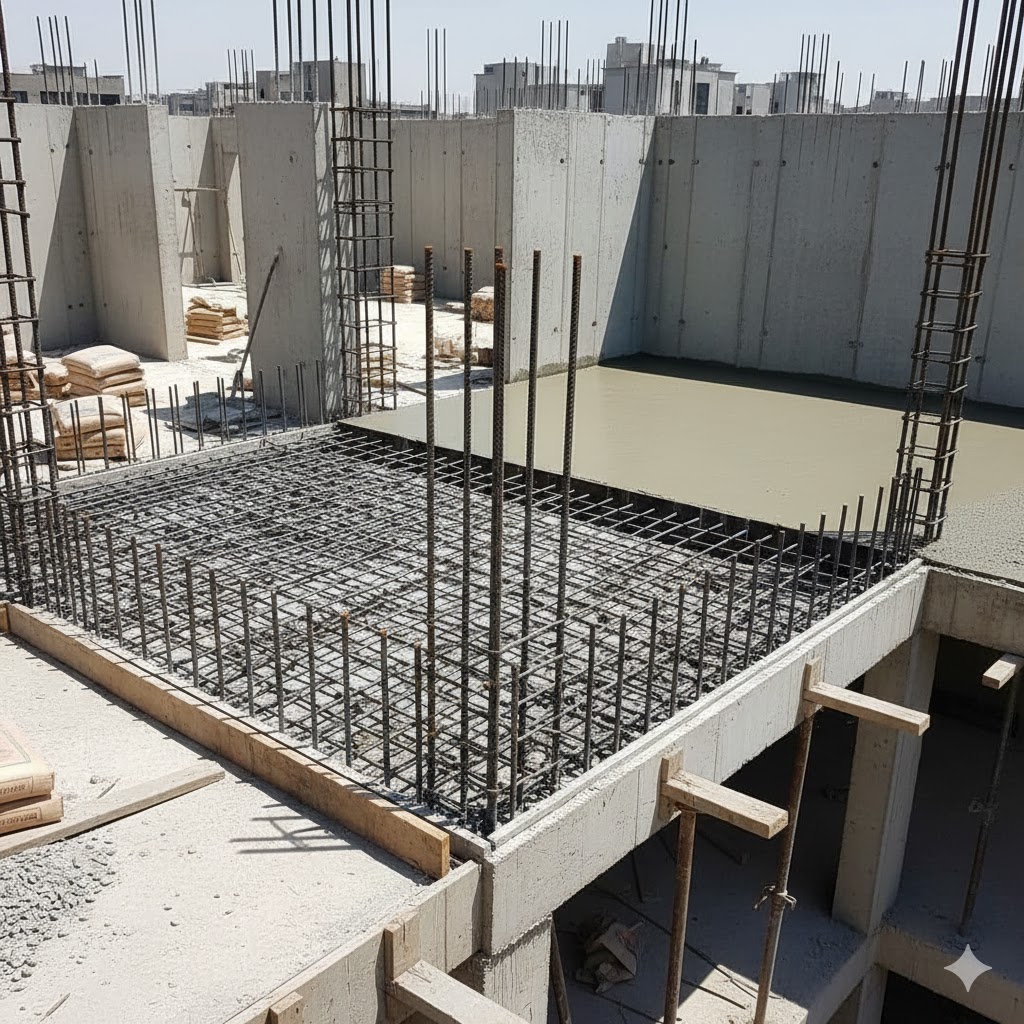
This cultural stigma was reinforced by a seemingly indisputable technical argument. Seismic engineering introduced concepts such as structural continuity and the rigid diaphragm— the capacity of a concrete slab to act as a stiff plate. Structural theory tells us that this allows the roof to “tie” the walls together, forcing the building to move as a single unit and improving its seismic response.
In contrast, many traditional systems lacked this confinement or effective connections between elements. This absence of integral tying made them vulnerable, particularly when poorly executed.Failures occurred, for example, when wooden beams were simply placed without anchors, or when walls lacked foundations that protected them from moisture.
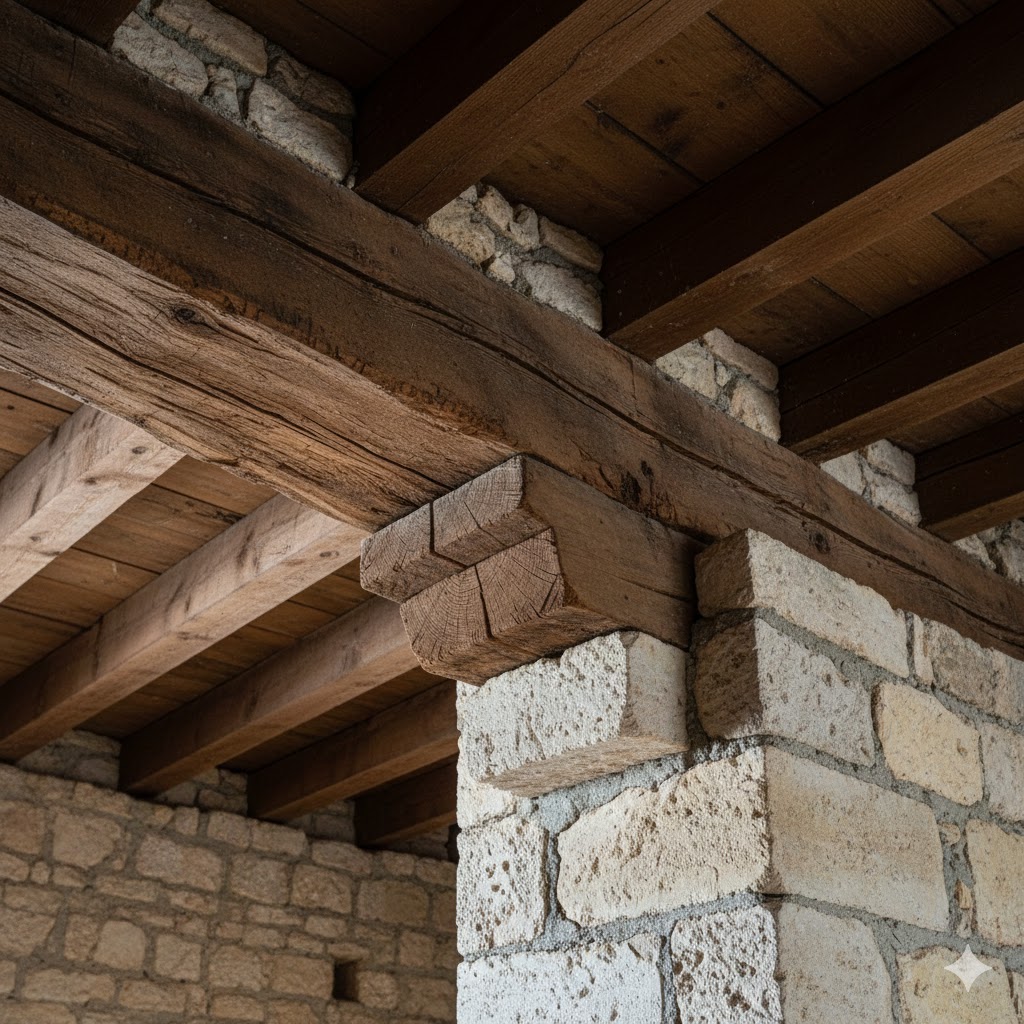
However, this technical reading was culturally simplified. The distinction between a well-designed system and a poorly executed one was diluted into a more forceful claim: concrete is safer. Systems composed of smaller pieces — adobes, beams, bricks — were assumed to be inherently more fragile because they were not monolithic.
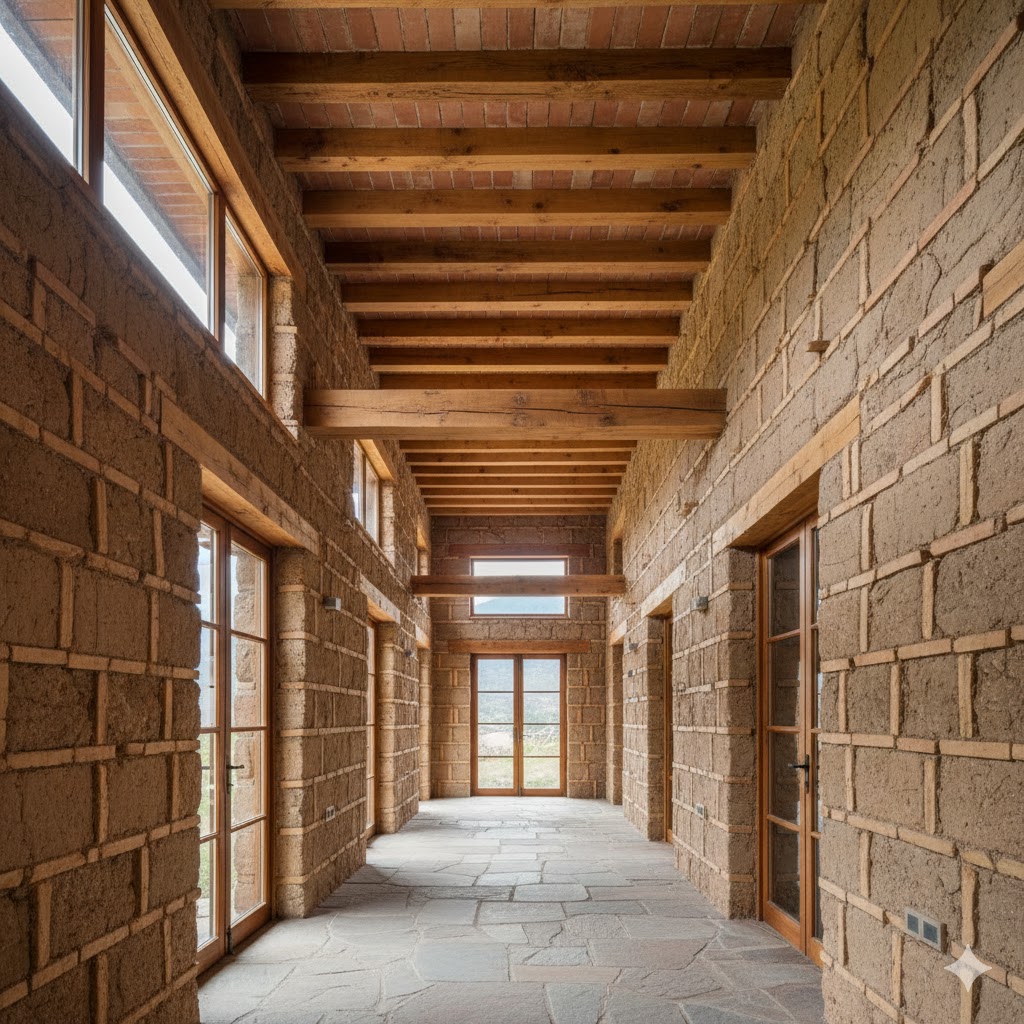
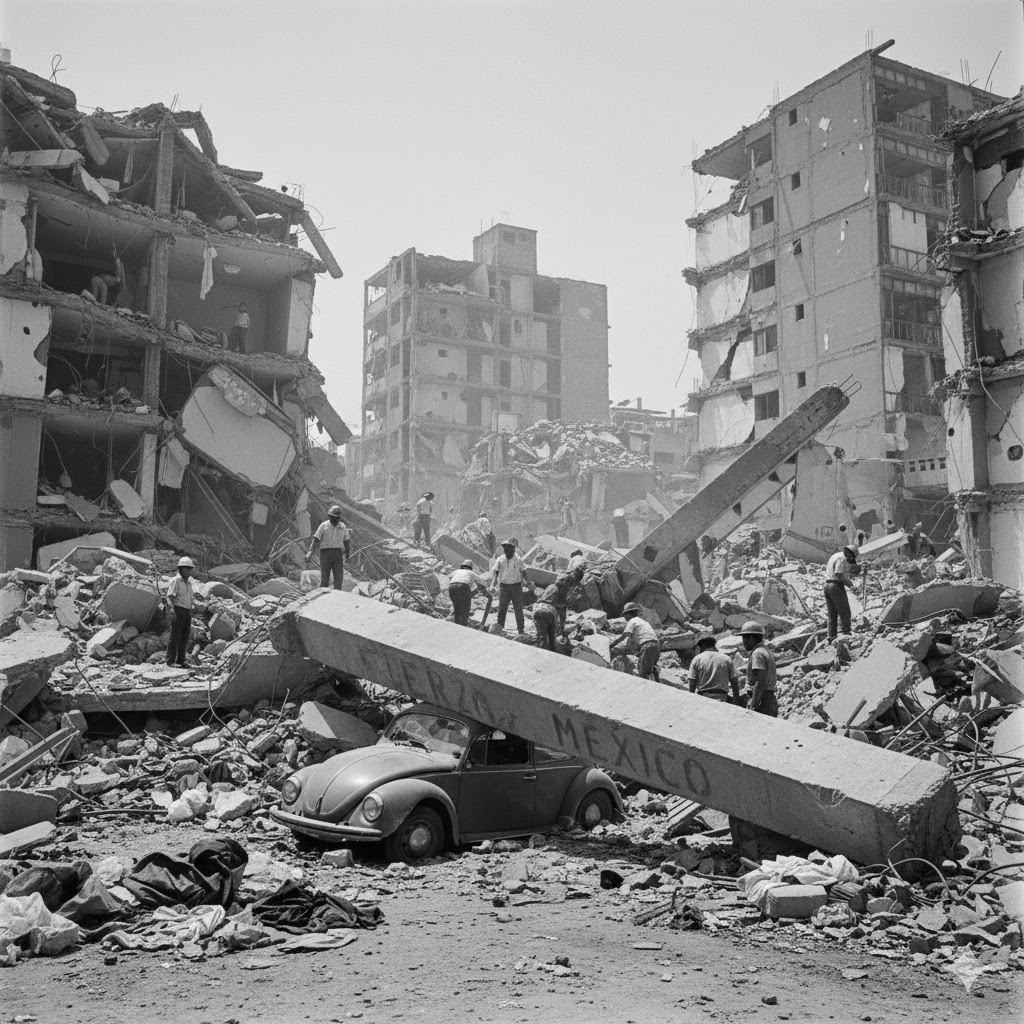
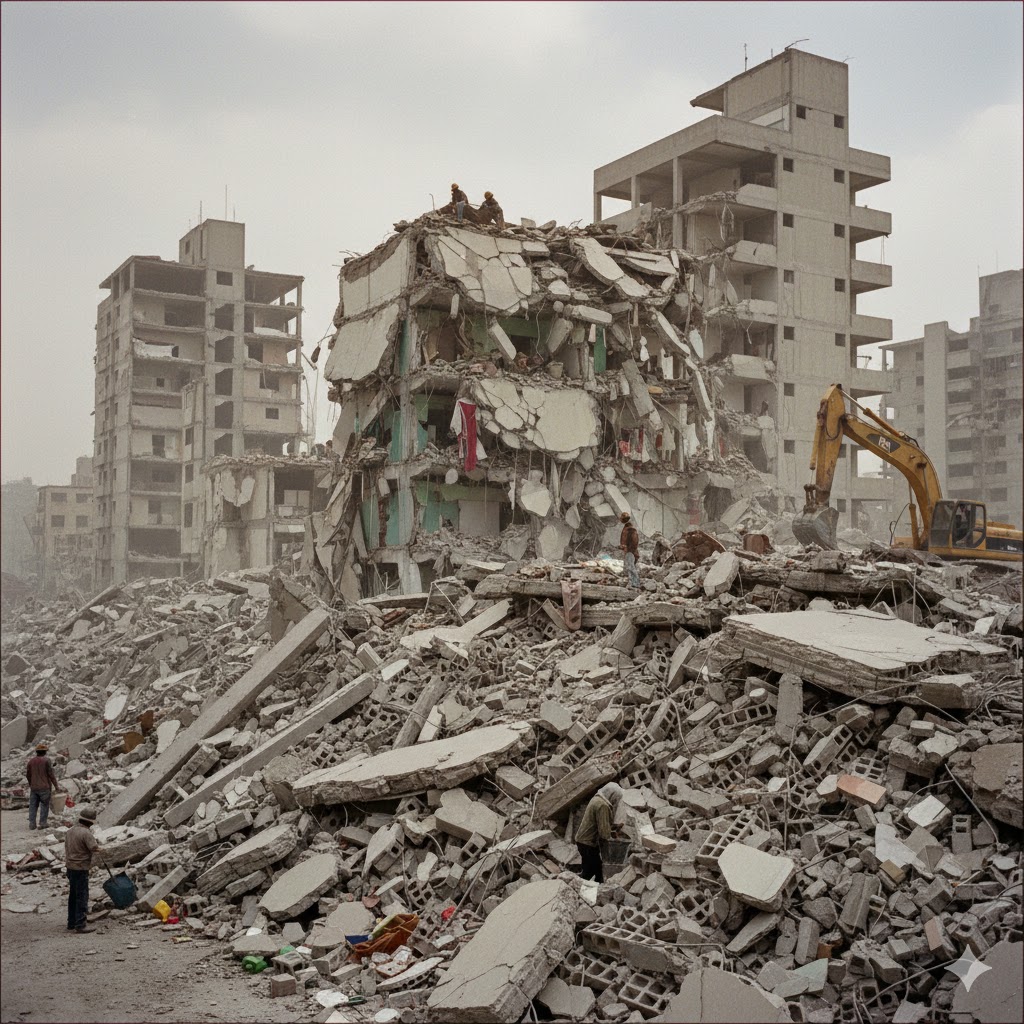
Subsequent seismic experience revealed a more complex reality. When a monolithic system fails due to poor conception, insufficient detailing, or geometric irregularities, collapse can be sudden and generalized. It also became clear that no material is safe in itself. Both traditional and industrialized systems perform adequately when they are properly designed, proportioned, and built at an appropriate scale.
The Loss of Craft and the Market
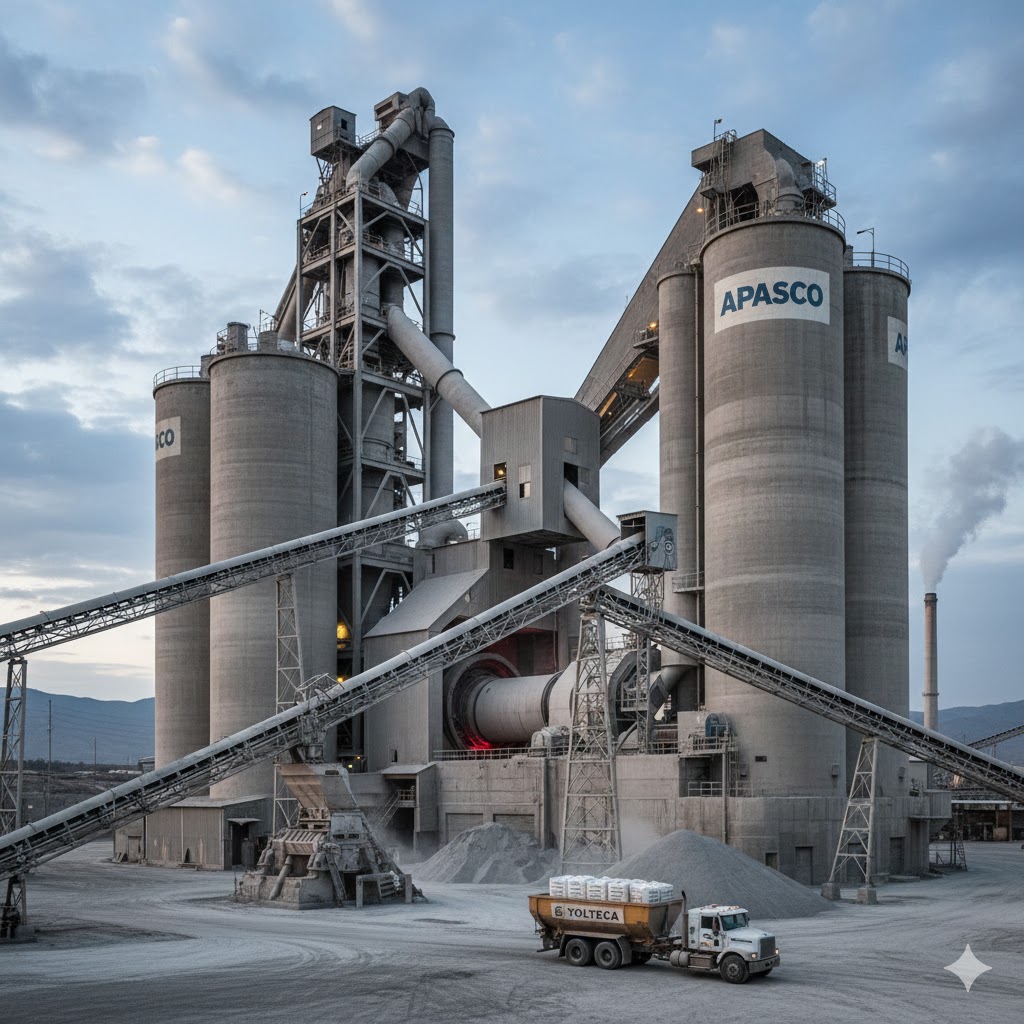
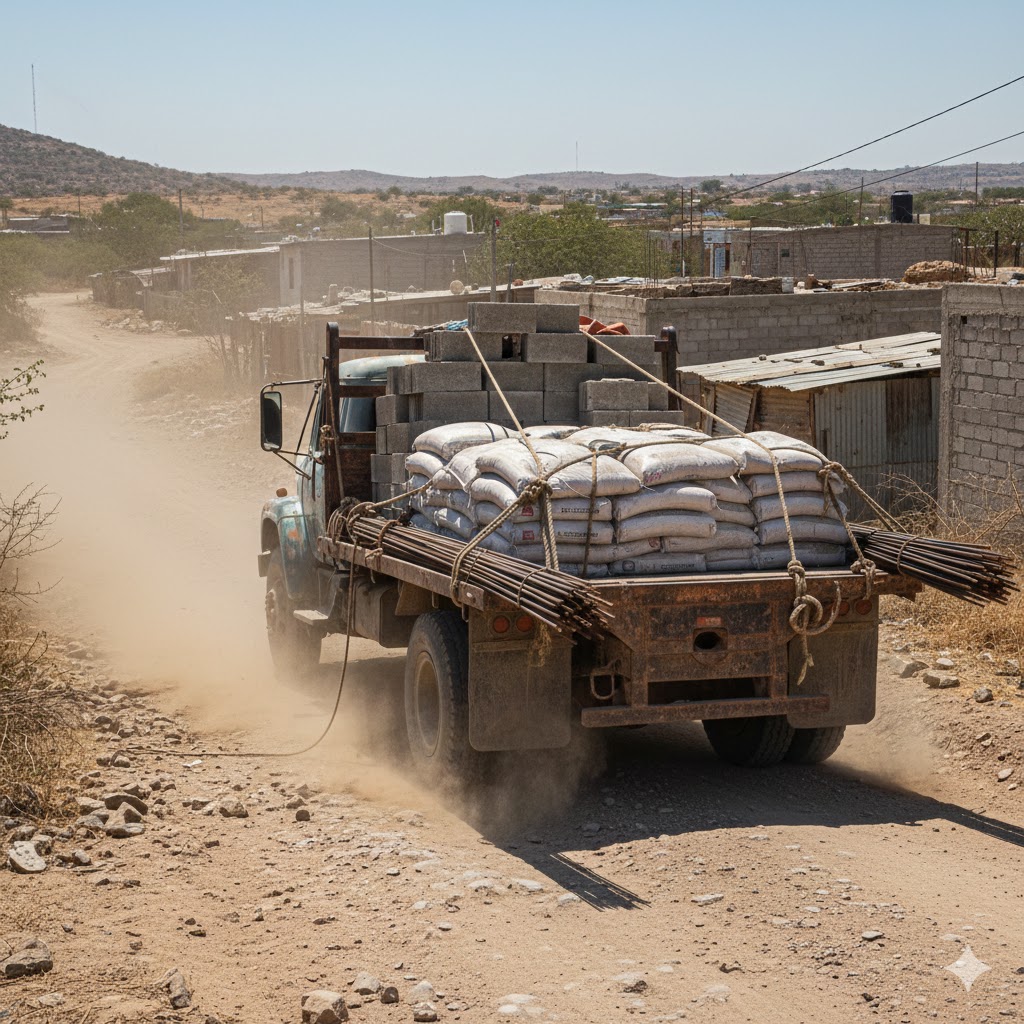
Beyond earthquakes, the definitive shift occurred within power structures. The hegemony of concrete was not only cultural, but economic and regulatory. Once consolidated as the dominant technology, concrete generated economies of scale — where the cost per bag drops when produced by the millions — and robust supply chains. This, in turn, fostered specific regulatory frameworks, aligned professional training, and favorable financing.
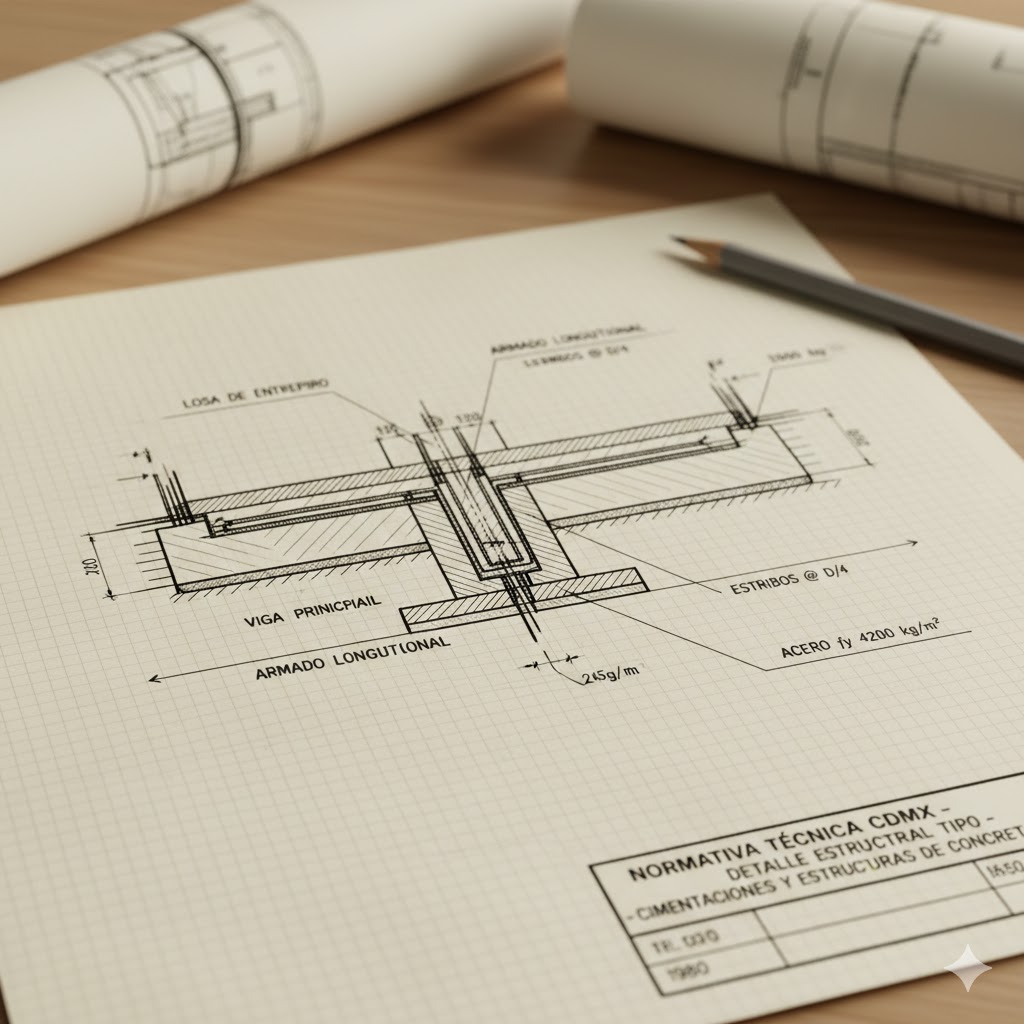
Meanwhile, systems based on structural wood or earth gradually disappeared from technical education, research, and standardization. Along with the materials, the know-how faded — the craft tradition that understood natural cycles and material behavior — replaced by training focused on installing standardized industrial products.
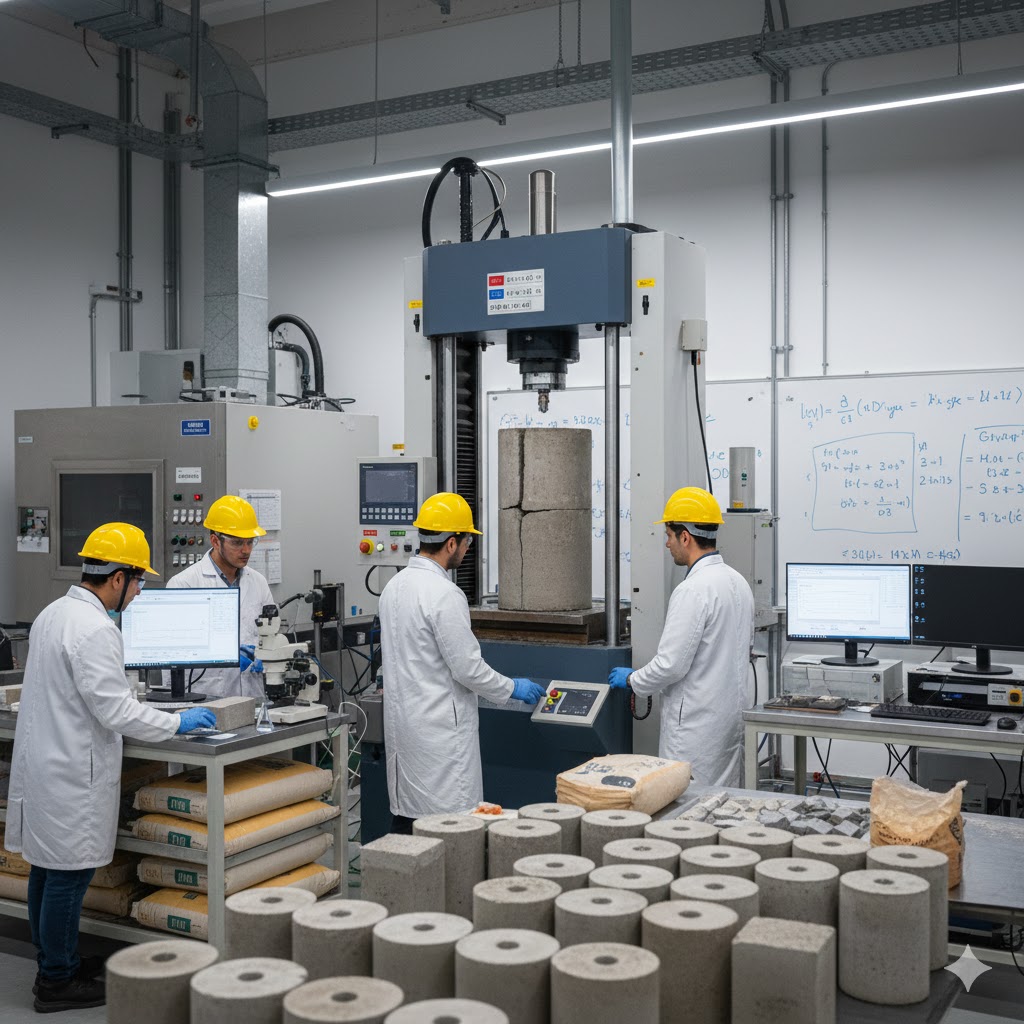
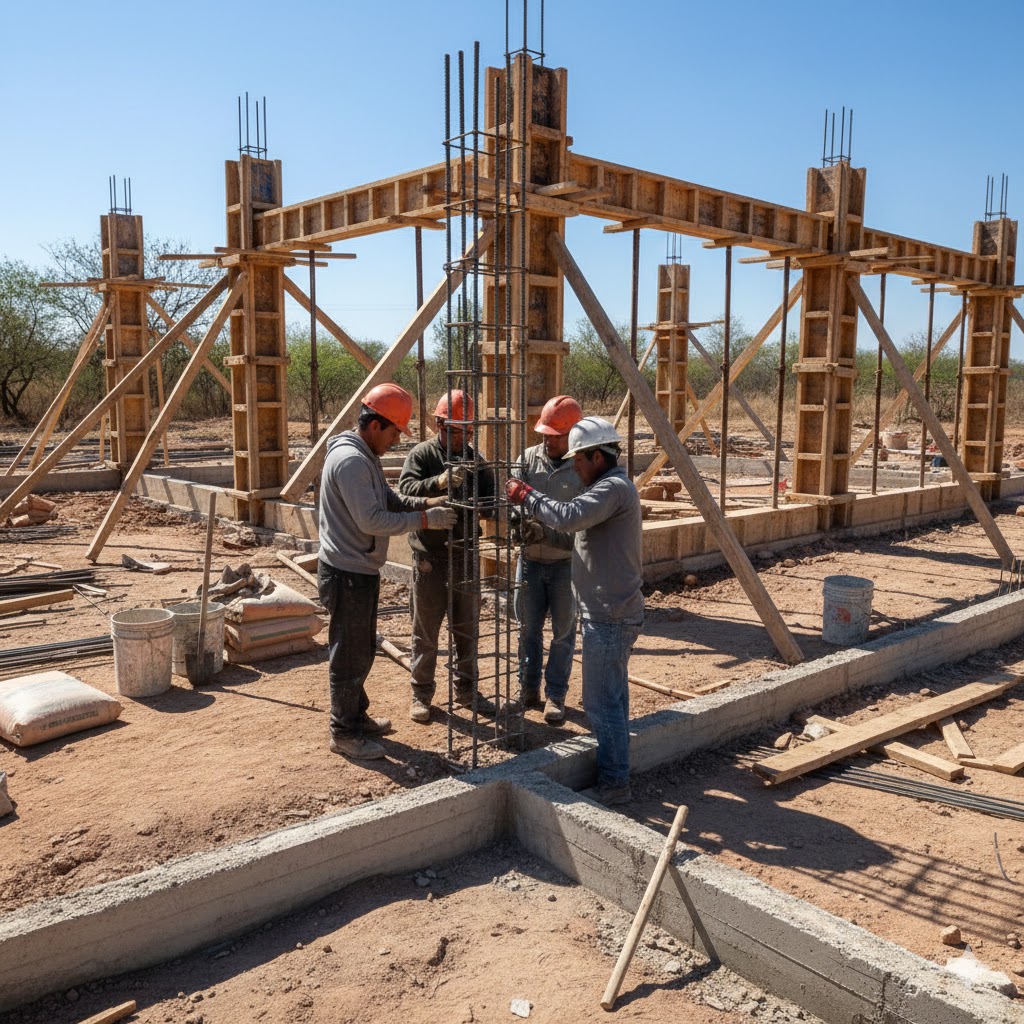
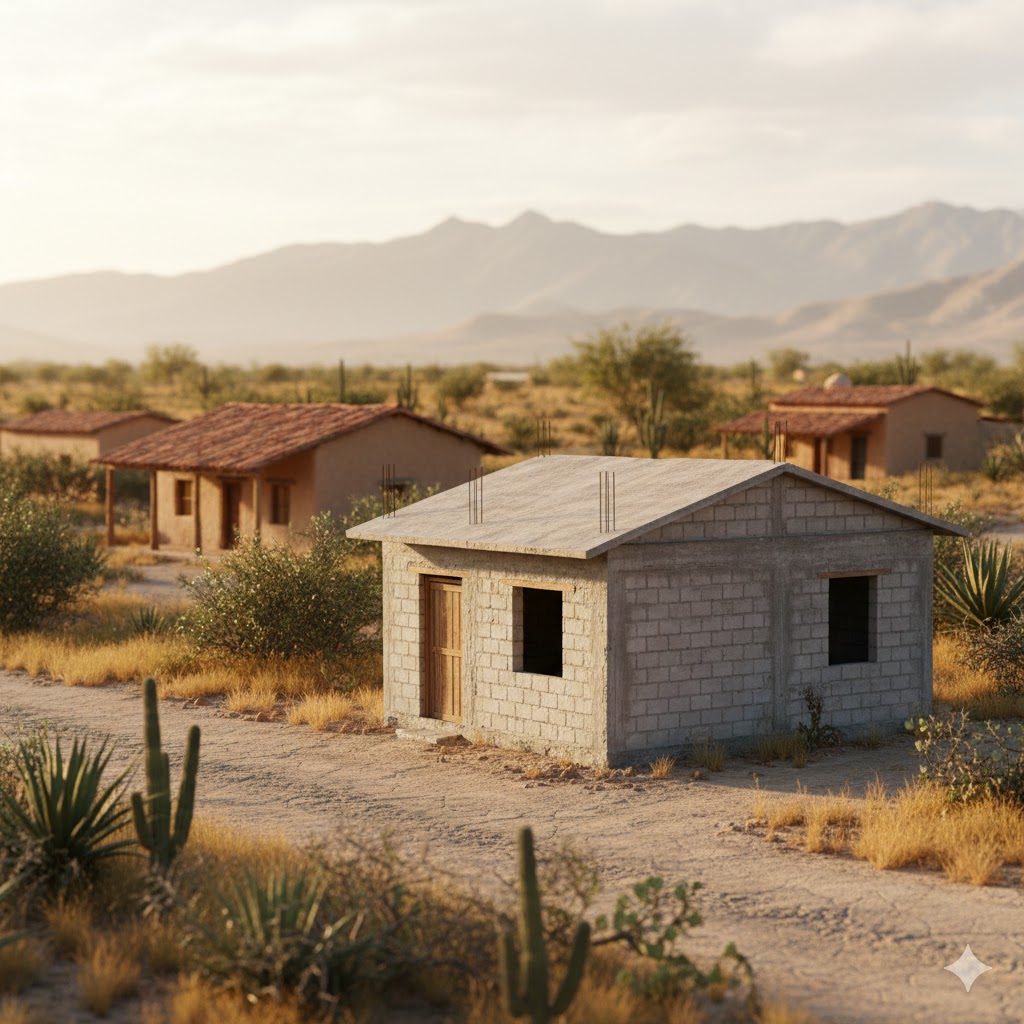
The result was historical inertia: as use declined, investment in development declined; as development declined, relative costs increased; as costs increased, application diminished further. More than a purely technical abandonment, a systemic imbalance emerged. Concrete became the default option in many contexts, even in regions where traditional materials offered clear climatic or logistical advantages. For example, in the arid north or along hot coastal regions, where concrete transmits excessive heat, while adobe or wood could naturally produce much cooler interiors.
Toward Technological Plurality: Regional Bioclimatic Architecture
After decades of material homogeneity, the paradigm is shifting. Today, the landscape is being reassessed. We know that earth and wood systems offer significant environmental advantages, especially in terms of embodied energy — the total fuel and resources consumed from extraction to construction — and carbon footprint. We also know that well-designed lightweight systems or those with high thermal retention capacity can improve environmental performance and comfort. And we know that material homogenization has impoverished constructive diversity and territorial expression. The differences between a house in the Highlands of Chiapas, the coast of Veracruz, or the desert of Sonora have been erased, all reduced to cement boxes.
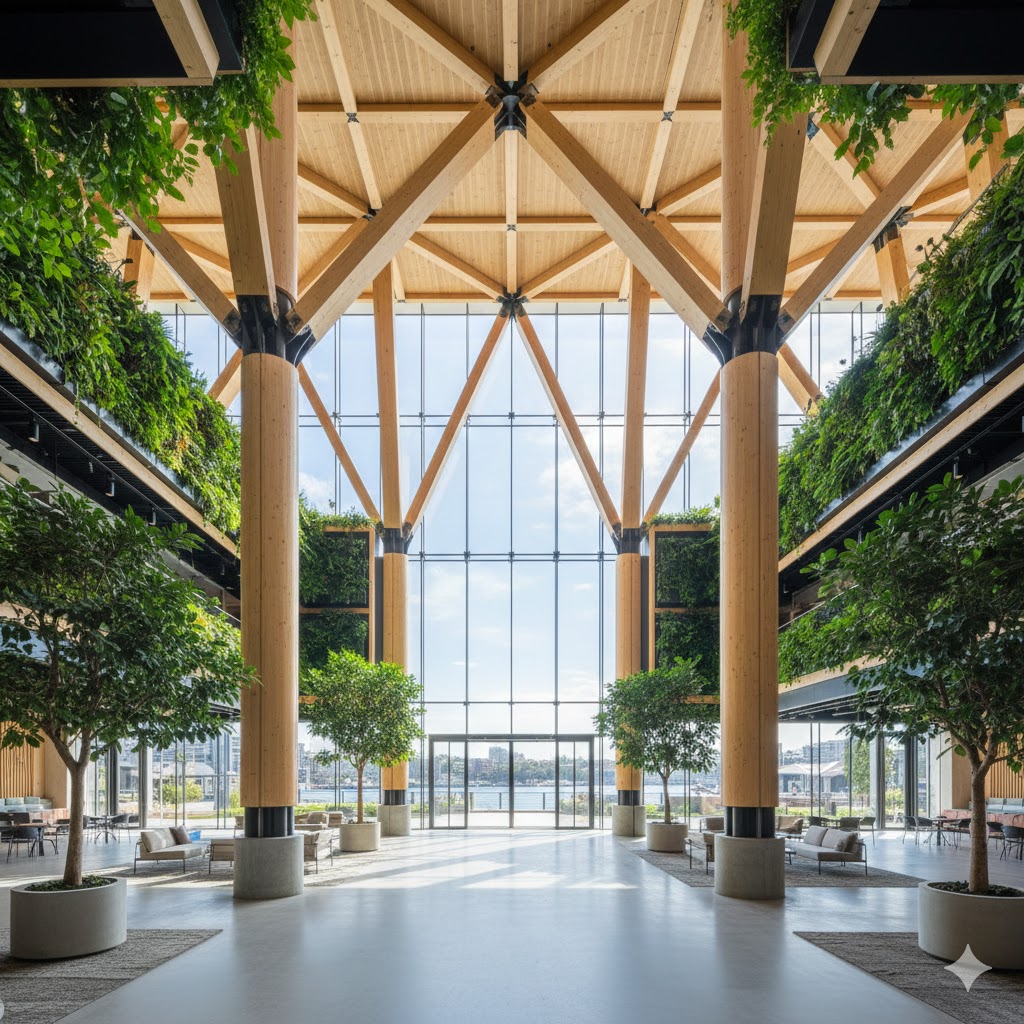
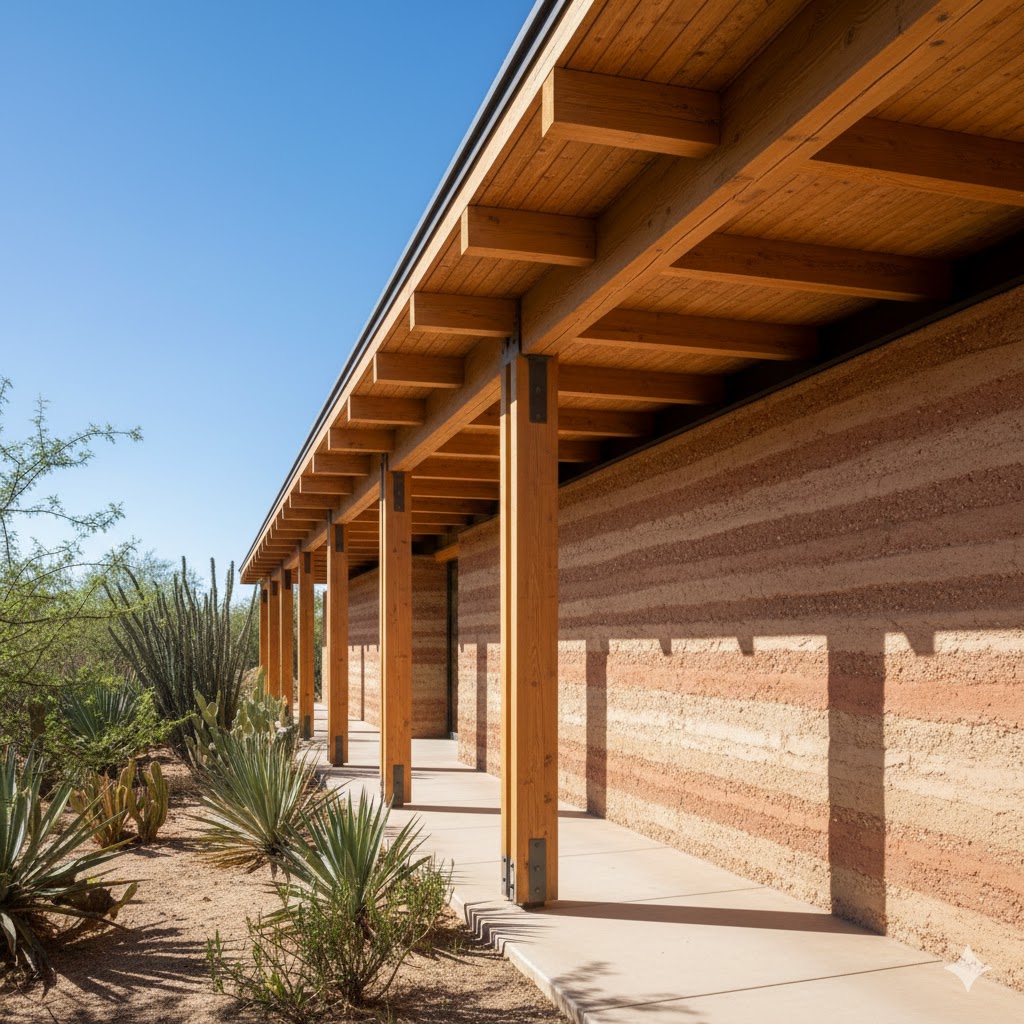
This implies recognizing that technological diversity was reduced as the result of intersecting cultural narratives, political decisions, and economic dynamics that favored a single industrial trajectory.
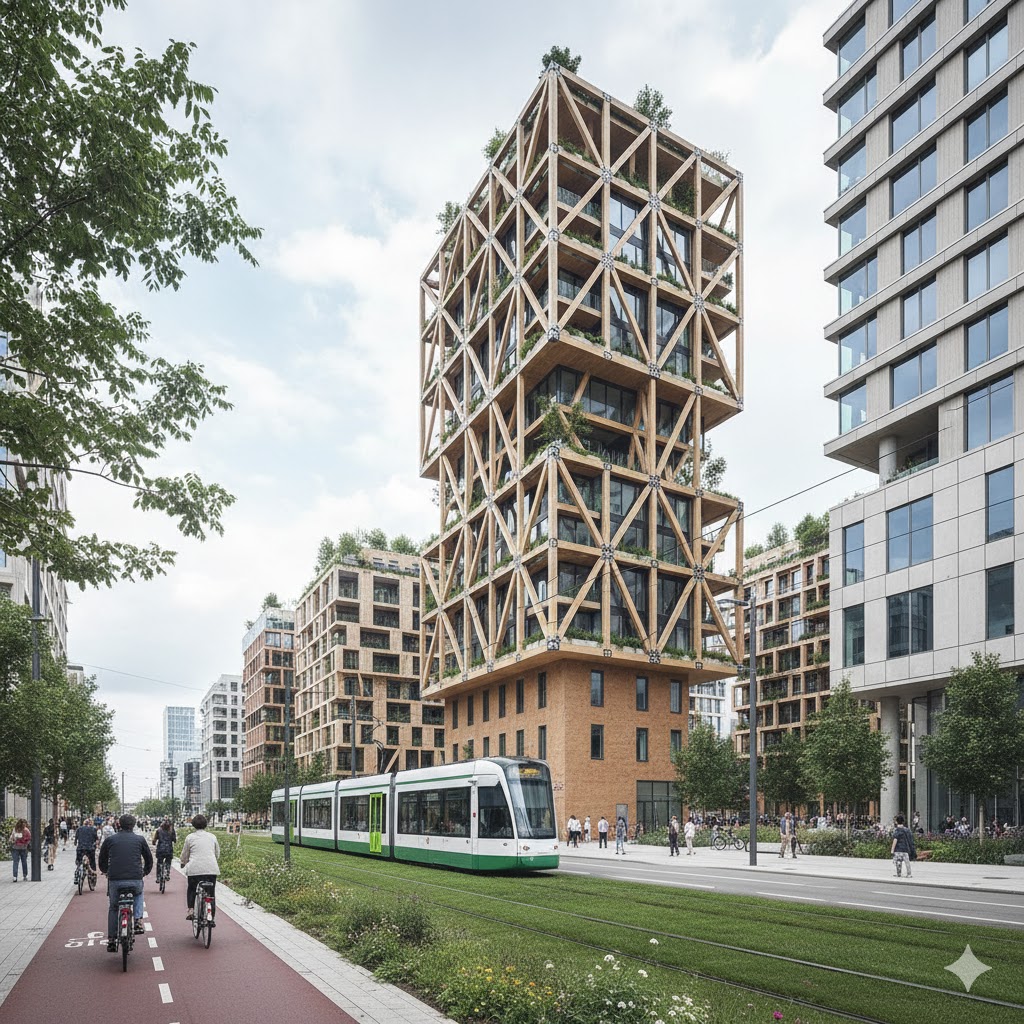
Perhaps the challenge is not to replace one system with another, but to recover plurality. This requires reactivating technical knowledge, updating regulations, and strengthening production chains to restore genuine competition between systems. Not out of nostalgia, but out of environmental, economic, and territorial rationality. Ultimately, recovering these systems strengthens construction sovereignty. It returns to people the autonomy to manage their habitat using local resources, reducing dependence on external inputs and their market fluctuations.
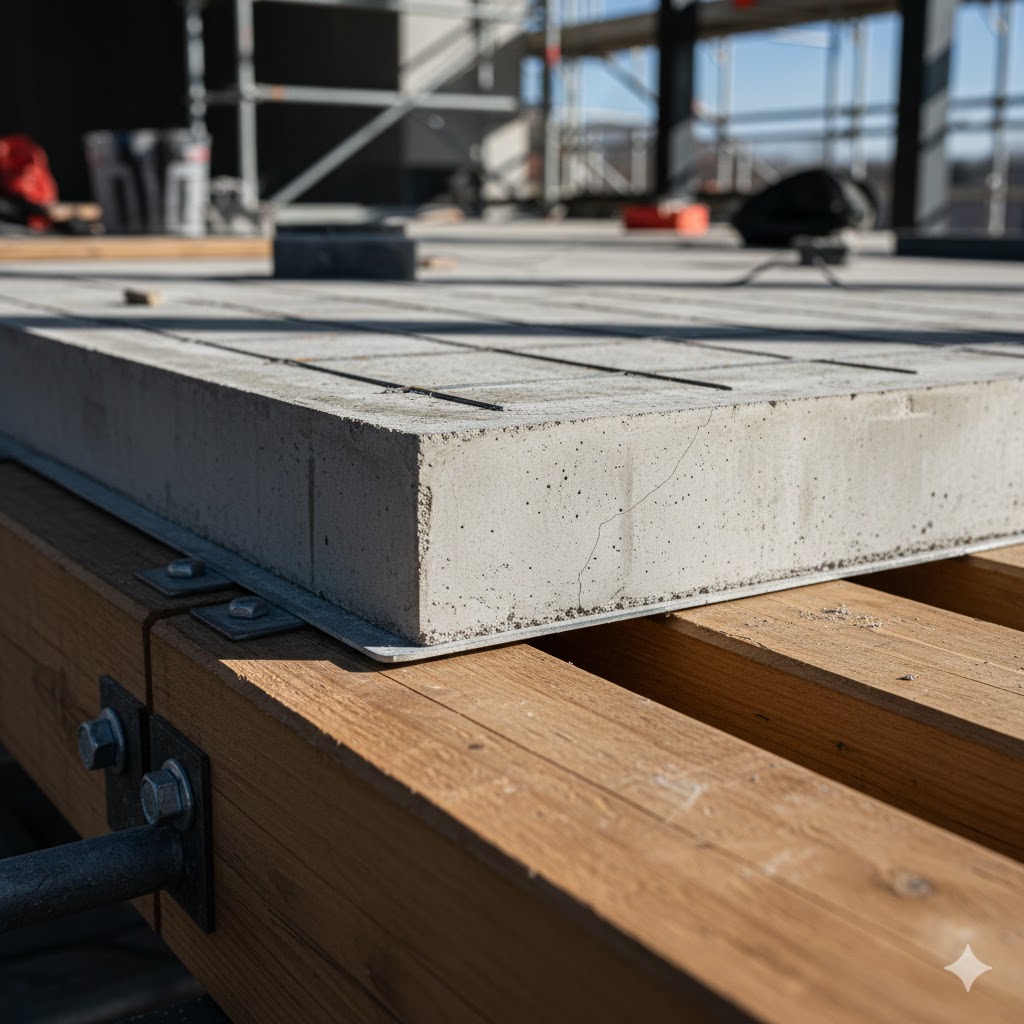
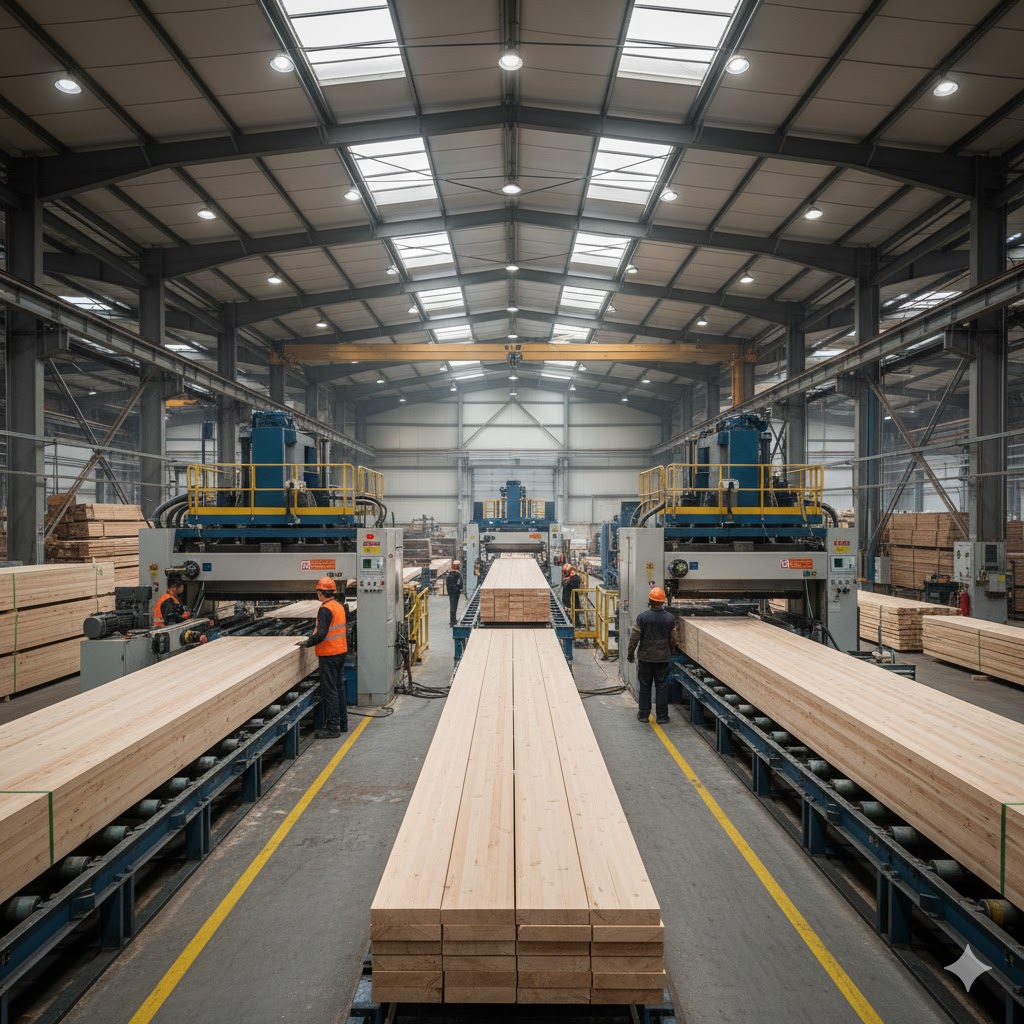
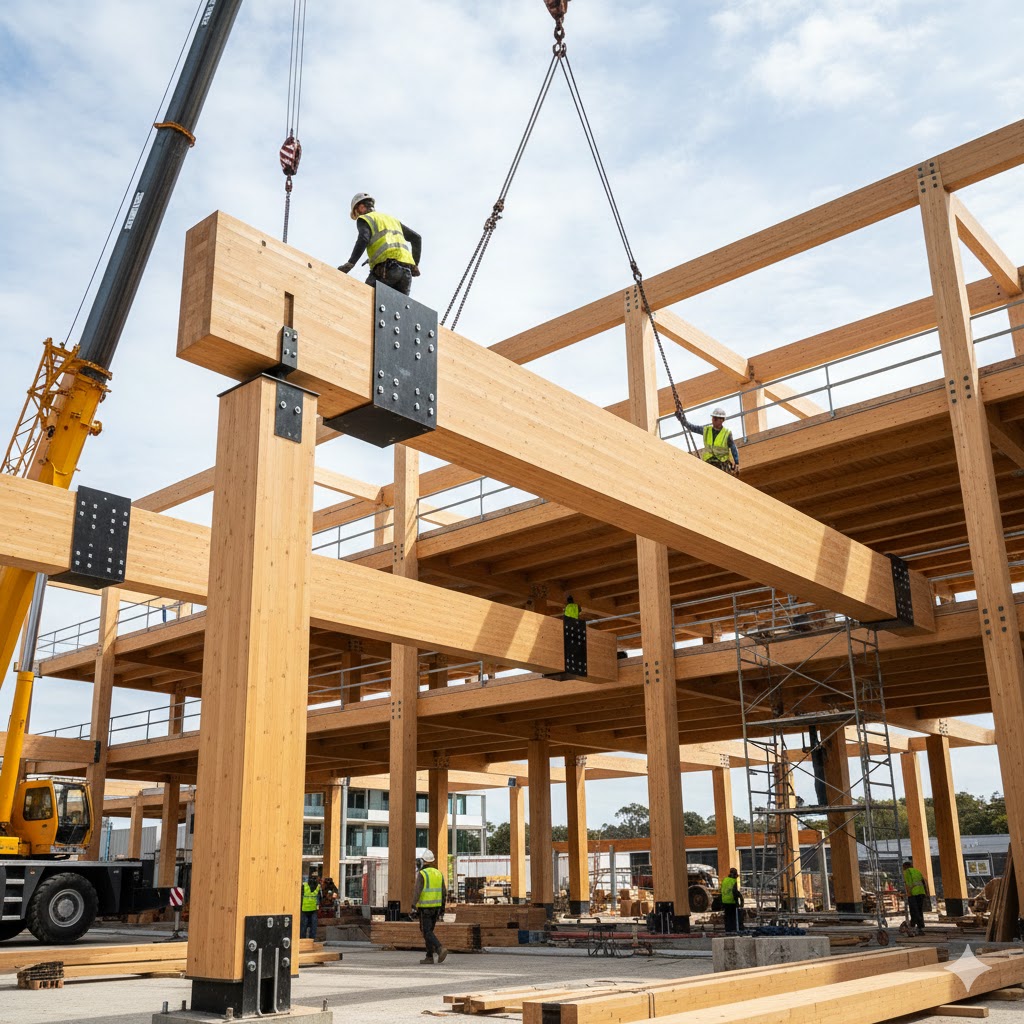
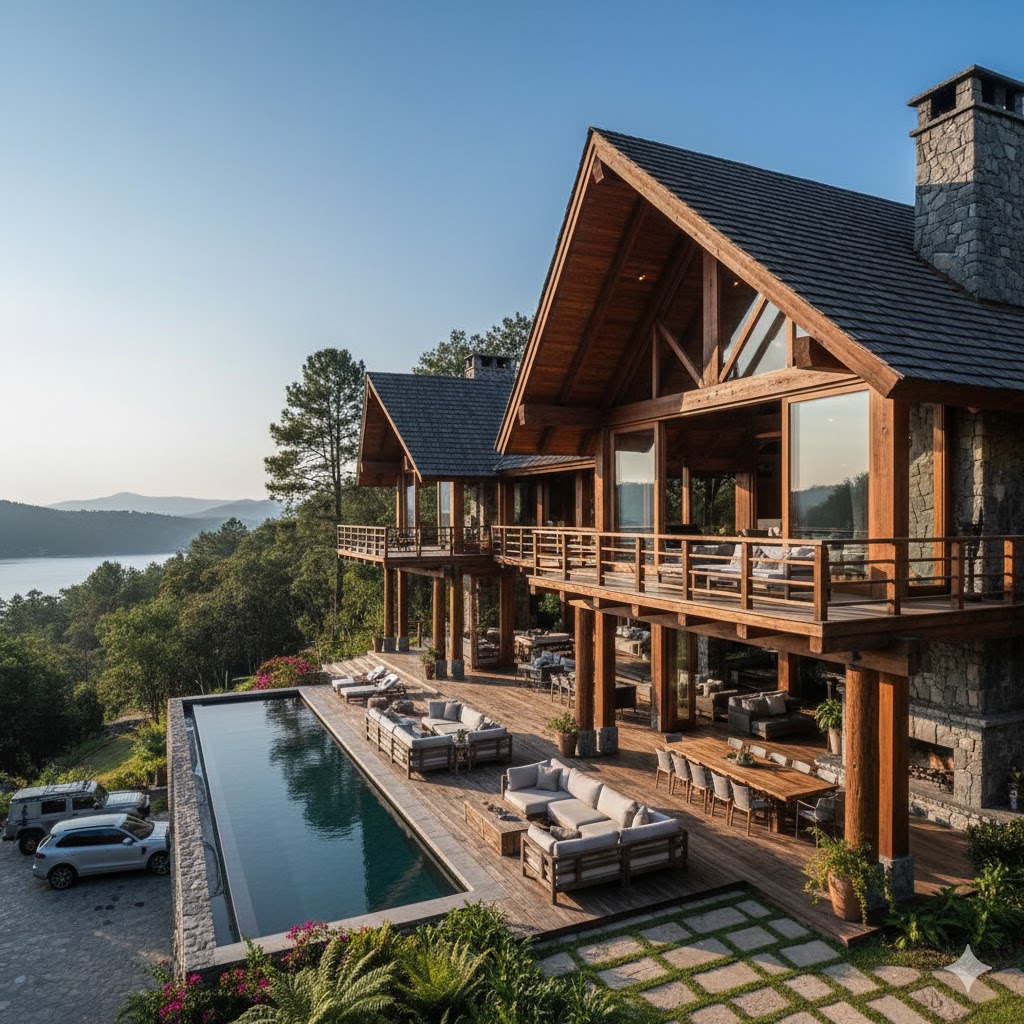
Rather than “going back,” the goal is to allow displaced technologies to resume their own processes of development — finding their place where they offer clear advantages, such as in housing or specific regional contexts. In this way, we consolidate a more diverse and resilient construction ecosystem: one in which compressed earth blocks (CEB) or modern laminated timber structures coexist with concrete wherever each proves most efficient.